
"Salvadoran coffee varieties"
1000 article(s) found
A balanced Salvadoran coffee bean flavor Introduction Salvadoran coffee flavor
Flavor: Balanced taste, excellent texture Suggestion Roasting method: Medium to deep, versatile Top quality beans: Salvador SHB Flavor characteristics: sour, bitter, sweet Mild and moderate. El Salvador is tied with Mexico and Guatemala as the producer of Asa and Meldo, and is competing with other countries for the top one or two places in Central America. Those who grow up in the highlands are both big and small.

Introduction to the flavor grindability of balanced and soft Salvadoran coffee beans
El Salvador's coffee accounts for 40% of the country's exports, and it is usually picked in November, December and January-March of the following year. The export of raw beans lasts almost all year round. Coffee is produced in seven of the country's 14 provinces, with the largest number in the northwestern provinces of chalatenango and santa ana. The coffee produced in El Salvador is 100% Arabica, of which 68% is
Introduction to the overall soft flavor description of Salvadoran Himalayan coffee and the characteristics of grinding degree
The only advantage brought by the Salvadoran state is that the farmers' fields are barren and fail to catch up with the most popular Katimo exposure train in the past two decades, thus preserving the ancient varieties of bourbon and Tibica, that is to say, El Salvador still uses the most traditional shading methods of planting, which is of positive significance to the aroma of coffee. In 2005, the Salvadoran hybrid Pacamara was held in coe Yaowu.

Salvadoran coffee features Salvadoran coffee flavor
Salvadoran coffee refers to the coffee produced in the small South American country of El Salvador, where the coffee body is light, aromatic, pure, slightly sour, the flavor is extremely balanced, is a specialty of Central America. With sour, bitter, sweet and other taste characteristics, the best baking degree is moderate, deep. In the early 1990s, guerrilla warfare greatly damaged the country's national economy, increasing coffee production from the early 1970s.

Flavor description of Salvadoran Coffee beans introduction to the taste of varieties in the manor area
El Salvador coffee beans flavor description manor production area varieties taste El Salvador boutique coffee concentrated in the west of Santa Ana and northwest Charantanan fruit volcanic rock producing areas, in recent years, the cup test top 10 almost all from these two producing areas, elevation of about 9-1500 meters, mainly bourbon (68%), followed by Pacas (29%), mixed-race Pacamara

Introduction to the description of Manor Flavor of Sweet and mild Salvadoran Coffee
Flavor: balanced taste, excellent texture suggested baking method: medium to deep, there are many uses of high-quality beans: El SHB taste characteristics: sour, bitter, sweet mild and moderate. Salvadoran coffee ranks side by side with Mexico and Guatemala as the producers of Asa and Merdo, and is fighting for the top one or two places in China and the United States with other countries. The highland of origin is equal in size and size.
Salvadoran coffee beans, Salvador coffee taste
Following caf é comments (Wechat official account vdailycom) found that Salvadoran Coffee opened its own shop in Beautiful Caf é. Salvadoran Coffee refers to the coffee produced in El Salvador, a small country in South America, where coffee is light, aromatic, pure and slightly sour, with a well-balanced flavor, and is a specialty of Central America. It has the characteristics of sour, bitter and sweet taste, and the best baking degree is moderate.
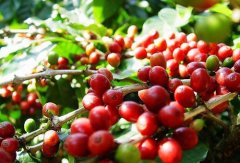
El Salvador Aida Bean American Fine Coffee
The quality of Salvadoran coffee is beyond doubt. Bourbon varieties of coffee here has been the greatest improvement in its own quality. In a bad time, the quality and reputation of Salvadoran coffee plummeted because of the unstable political situation and continuous civil war, but with the stability of the political situation in recent years, Salvadoran coffee has found its place in the world again. Salvadoran coffee

Introduction to the fragrant and authentic Salvadoran Coffee varieties
El Salvador (ElSalvador) is one of the small countries in Central America, where coffee is light, fragrant, pure, slightly sour and characterized by excellent balance of flavor. It is a specialty of Central America. With sour, bitter, sweet and other taste characteristics, the best baking degree is moderate, deep. Salvadoran Coffee-Coffee originated in the early 1990s, guerrilla warfare greatly damaged the country's national economy.
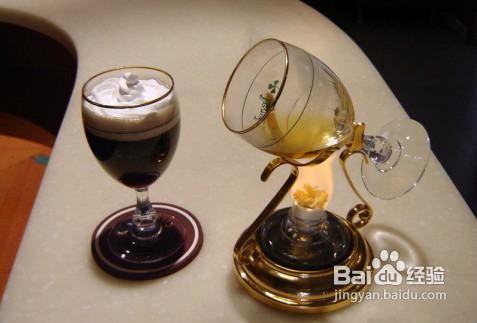
El Salvador boutique coffee bean producing area Santa Ana volcano area Salvadoran coffee flavor manor
The lubricated Salvadoran coffee has an excellent taste and is as smooth as cream chocolate. Although Salvadoran coffee does not have a distinct personality, the dense feeling of coffee in the mouth makes the taste more complete. Although El Salvador has a small area, it has dozens of volcanoes, making it the country with the highest volcanic density in the world.

Salvadoran Coffee Manor flavor
Salvadoran Coffee-Coffee for washing Hot Springs Salvadoran Coffee ranks alongside Mexico and Guatemala as producers around Asa and Merdo, and is fighting for the top one or two places in China and the United States with other countries. The highlands of origin are large coffee beans of all sizes, which are fragrant and mild in taste. Like Guatemala and Costa Rica, coffee in El Salvador is graded according to altitude.
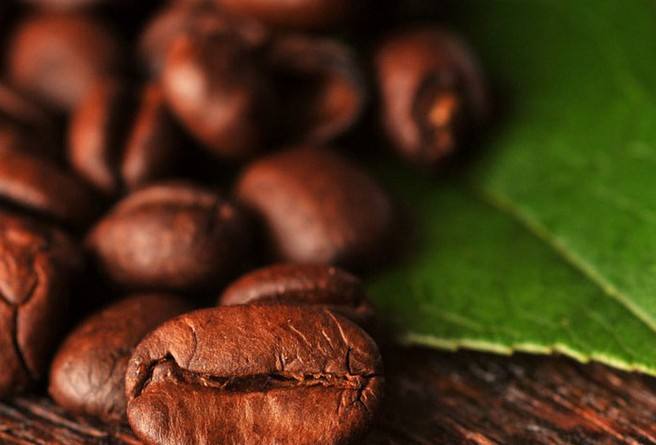
Introduction to the history of Salvadoran coffee, Salvadoran coffee taste
Following caf é comments (official Wechat account vdailycom) found that Beautiful Cafe opened a small shop of its own. Saguo still uses the most traditional shade tree planting method, which has a positive effect on the aroma of coffee. In the fifth year of the second OO, Pacamara, a native hybrid of Saudi Arabia, showed his skill in an extraordinary cup, which confused the surveyors of the International Cup, and did not know how to score the unfathomable Pacamara.
Introduction to the flavor and taste of Salvadoran coffee
Salvadoran coffee flavor: balanced taste, excellent texture suggested baking method: moderate to deep, there are many uses of high-quality beans: Salvadoran SHB taste characteristics: sour, bitter, sweet mild moderate. Salvadoran coffee ranks side by side with Mexico and Guatemala as the producers of Asa and Merdo, and is fighting for the top one or two places in China and the United States with other countries. Highland of origin
Santa Rita Manor Santa Rita Pacas Coffee introduces Salvadoran coffee varieties
Professional coffee knowledge exchange more coffee bean information please follow the coffee workshop (Wechat official account cafe_style) production area: Santa Ana (Volcan Santa Ana) producer: Santa Rita Manor elevation: 1400m varieties: Bourbon,Catimor,Pacas treatment: washing grade: SHG harvest period: November to February certification: rainforest Alliance (Rainfo)
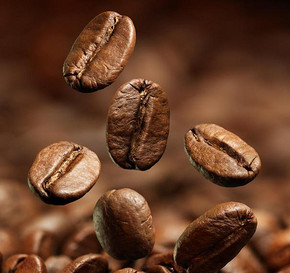
Salvadoran coffee beans taste flavor characteristics
Pay close attention to the coffee comment (Weixin Official Accounts vdailycom ) and find that the beautiful coffee shop opens its own small shop in El Salvador. The coffee beans produced in Cusca Baba area are the best. It is slightly lighter in weight, aromatic in taste, pure and slightly sour. Like Guatemala and Costa Rica, coffee in El Salvador is graded according to altitude, with the higher the altitude, the better the coffee.

Characteristic taste and flavor of Salvadoran coffee beans describe the producing area of grinding scale varieties
El Salvador coffee bean characteristics, taste and flavor description grinding scale variety production area El Salvador Finca Himalaya [country]: El Salvador [manor]: Himalayan manor [production area]: Santa Ana [altitude]: 1580-1720m [treatment]: half-sun [variety]: red bourbon, Tiebika [treatment plant]: El Divisadero [flavor]

Flavor description of Salvadoran coffee beans introduction to the planting environment of the regional treatment method for producing varieties
The flavor of Salvadoran coffee beans describes the taste of the varieties produced in the region and the planting environment introduces the rise of the sea between the Atlantic Ocean, symbolizing the five countries of Central America. The pole of freedom and the red cap of freedom stand high on the top of the mountain, radiating the light of freedom and liberation. Jin Guangzhong September 15, 1821 was the day of El Salvador's independence, and the rainbow in the sky overflowed with joy and hope. Five-sided Central American Union

Introduction of Salvadoran coffee price of Salvadoran coffee
In the early 1990s, guerrilla warfare greatly damaged the country's national economy, reducing coffee production from 3.5 million bags in the early 1970s to 2.5 million bags in 1990-1991. The eastern part of the country was most affected by guerrilla warfare, and many farmers and workers were forced to leave the manor. The shortage of funds has led to a sharp drop in coffee production, from 1200 kg per hectare in the past to no yield per hectare today.

Boutique coffee Salvadoran coffee origin Salvadoran coffee flavor
Coffee Origin Editor in the early 1990s, guerrilla warfare greatly damaged the country's national economy, reducing coffee production from 3.5 million bags in the early 1970s to 2.5 million bags in 1990-1991. The eastern part of the country was most affected by guerrilla warfare, and many farmers and workers were forced to leave the manor. The shortage of funds has led to a sharp drop in coffee production, from 1200 kg per hectare in the past to today's

Introduction to the characteristics of grindability of slightly sour Salvadoran Himalayan coffee varieties in producing areas
Coffee fields are endless, and most of them are harvested by machinery, which is in line with economic benefits. When 75% of the coffee fruit in the coffee garden turns red, mechanical harvesting is started, followed by the same pre-washing operation, which is moved into the sink to remove floating beans, sift out the sunken beans, and then use a large pulp screening machine to dig out the pulp and remove the pods covered with pectin. The next stage is separated from the washing method: sticky beans.